
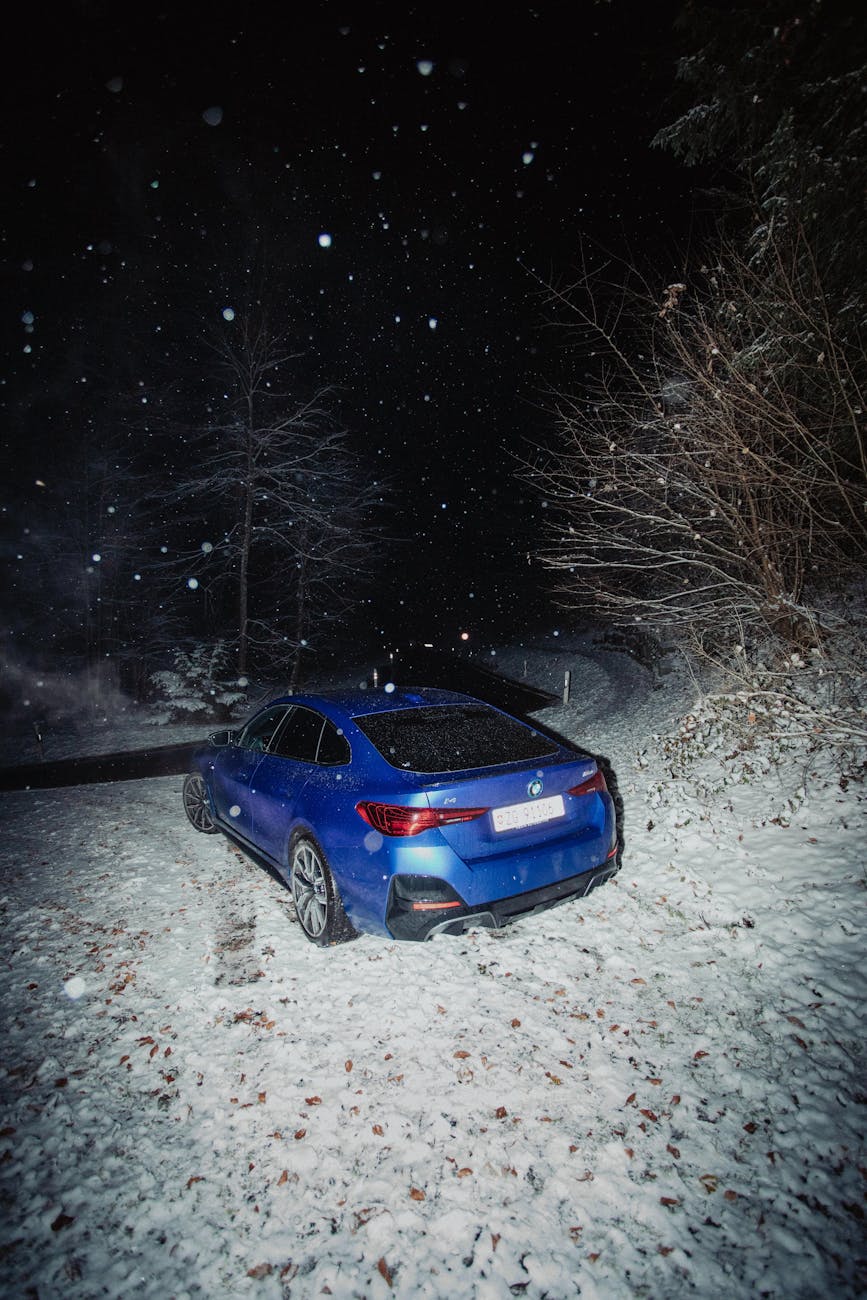
When temperatures drop, your car doesn’t “break” more often, it just exposes what was already borderline. The good news: winter reliability is mostly boring basics done at the right time.
Start with the battery (because winter is a battery test)
Cold weather slows the chemistry inside your battery. That means the same battery that felt fine in September can suddenly struggle in October. If your starts are getting slower or your headlights dim at idle, don’t wait for the first truly cold morning to find out.
A quick battery test at an auto parts store takes minutes. If it’s weak, replacing it proactively is cheaper than a tow plus a missed day.
Tires: traction beats horsepower every time
If you live somewhere with real winter conditions, tires are the whole game. All-seasons can be fine, but “fine” changes quickly once mornings are cold and roads get slick.
Even if you don’t switch to winter tires, check your tread depth and pressure. Tire pressure drops as temperatures drop, and underinflation quietly kills grip.
Fluids that actually matter
Coolant isn’t just “antifreeze.” It controls operating temperature and prevents corrosion. If it hasn’t been checked in a while, get the concentration tested.
Windshield washer fluid is the sneaky one. Summer washer fluid can freeze, and suddenly you’re blind behind a layer of road grime. Swap it before you need it.

The underrated winter habit: visibility
Clean your windshield inside and out. Replace wiper blades if they smear. Make sure your defroster actually clears fog quickly: because winter driving is 50% traction and 50% seeing what’s happening.
If you do just one thing: battery check + tire pressure. Those two alone prevent most “winter car drama.”
 Don't Grind My Gears
Leave a comment